
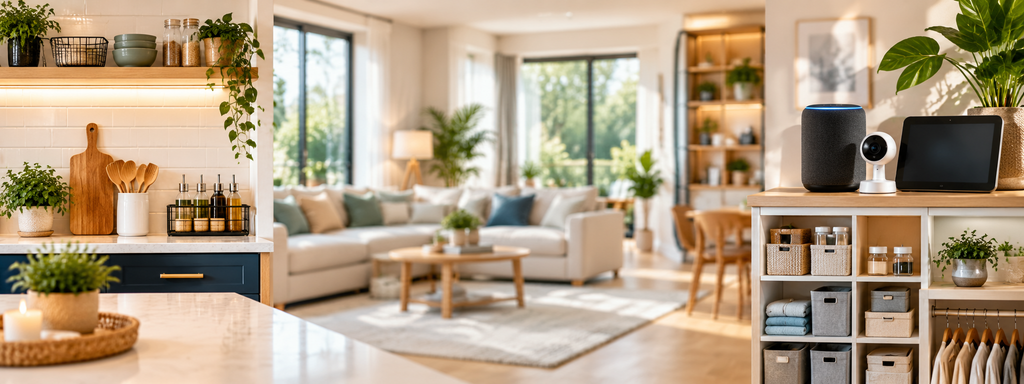
20 Smart Kitchen Organization Ideas for a Clutter-Free Home
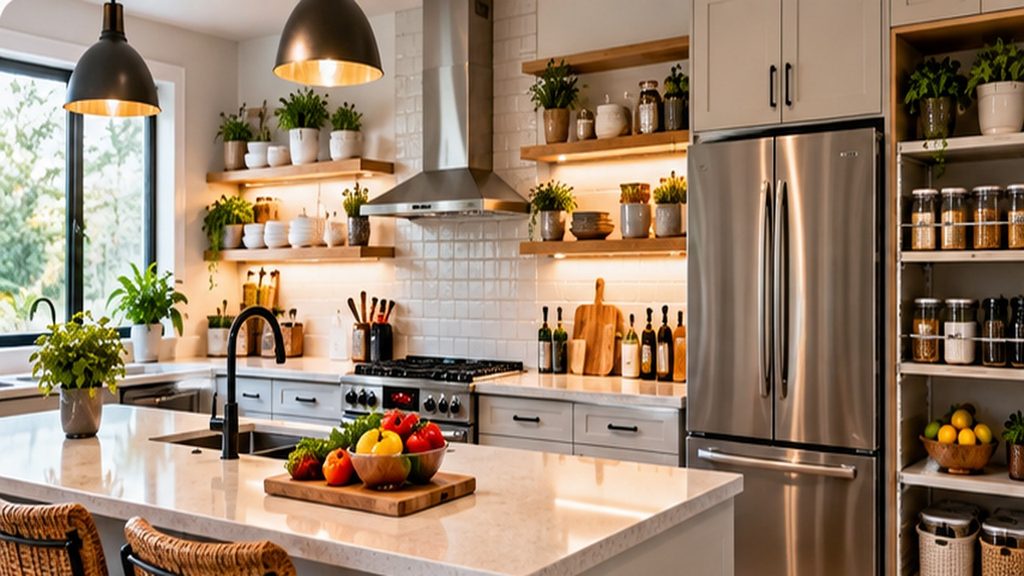
A well-organized kitchen makes everyday cooking, cleaning and meal preparation easier. But when countertops become crowded, cabinets overflow and utensils are difficult to find, even a spacious kitchen can feel frustrating.
The good news is that you don’t need a complete kitchen renovation to make meaningful improvements.
These 20 smart kitchen organization ideas will help you maximize storage, reduce clutter and create a more functional cooking space. Whether you’re organizing a small apartment kitchen or improving a larger family kitchen, these practical solutions can make a difference.
1. Install Pull-Out Cabinet Organizers
Deep kitchen cabinets often contain wasted space because items stored at the back are difficult to reach.
Pull-out organizers make it easier to access pots, pans, cleaning supplies and food containers.
Choose sturdy sliding systems that fit your cabinet dimensions and support the weight of the items being stored.
Best for: Deep lower cabinets and under-sink storage.
2. Use Adjustable Drawer Dividers
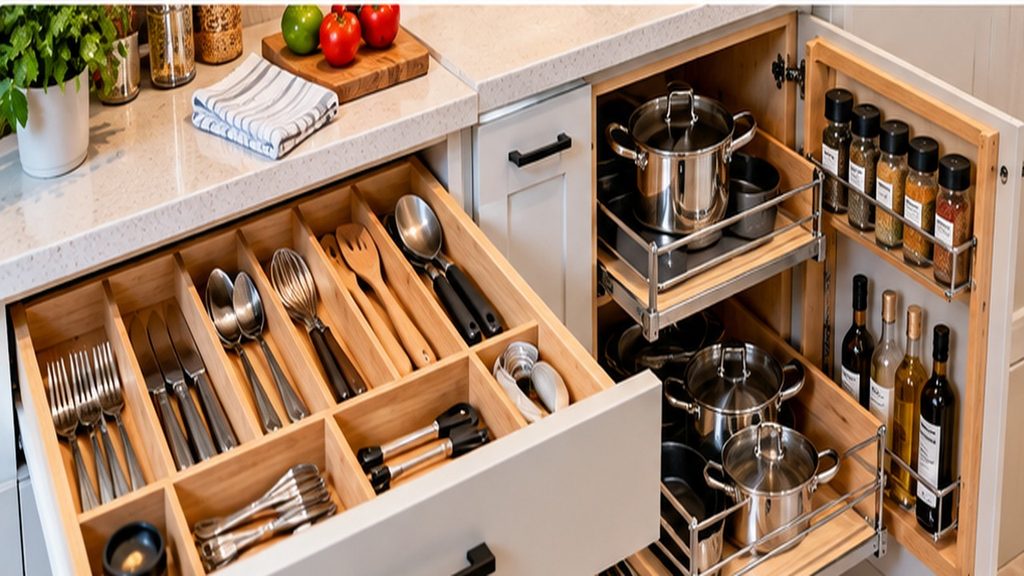
Kitchen drawers quickly become cluttered when utensils, cutlery and cooking accessories are mixed together.
Adjustable drawer dividers create dedicated compartments for different items.
Use separate sections for cutlery, cooking utensils, measuring spoons and smaller kitchen tools.
This simple improvement can save time during food preparation.
3. Add Vertical Storage for Baking Trays
Baking trays, cutting boards and serving platters are often stacked horizontally, making individual items difficult to remove.
Vertical organizers allow you to store these items upright.
Install dividers inside cabinets or use a freestanding rack.
Organization tip: Arrange items according to how frequently you use them.
4. Organize Your Pantry With Clear Containers
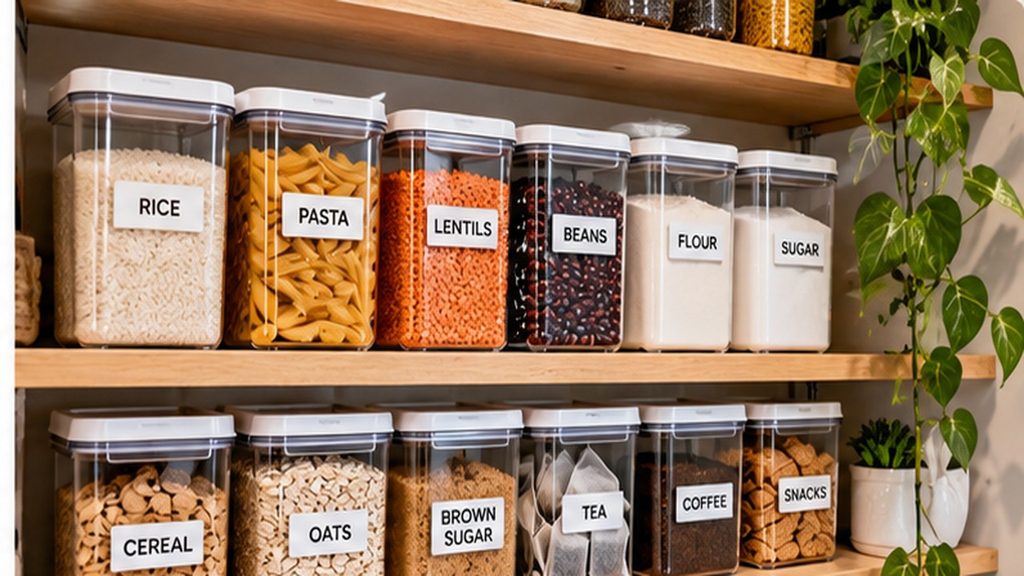
A cluttered pantry makes it difficult to see which ingredients are available.
Use appropriately sized, food-safe storage containers for dry ingredients such as rice, pasta, flour and cereals.
Label each container clearly and retain important product information, including expiry dates and allergen details.
Transparent containers help you identify contents without opening every package.
5. Install Floating Shelves
Floating shelves can make use of empty kitchen walls while keeping frequently used items accessible.
They work well for lightweight dishes, mugs and decorative accessories.
Avoid overcrowding shelves, and ensure they are properly anchored.
For a clean appearance, combine practical storage with a small number of decorative items.
6. Use a Lazy Susan in Corner Cabinets
Corner cabinets are notorious for wasted space.
A rotating organizer, often called a Lazy Susan, helps bring stored items within reach.
Use it for spices, small containers or suitable pantry supplies.
Measure the cabinet’s interior before choosing an organizer.
7. Install an Under-Sink Storage System
The space beneath the kitchen sink is often poorly organized because of plumbing pipes and irregular cabinet dimensions.
Use adjustable shelves, stackable bins or pull-out organizers designed to fit around plumbing.
Keep cleaning chemicals in their original labeled containers and away from food and children.
Kitchen safety tip: Store household cleaning products securely, preferably in a locked cabinet away from food, children and pets. For additional guidance, read the American Cleaning Institute’s advice on safe storage of cleaning products.
8. Use Magnetic Spice Storage
Magnetic spice containers or wall-mounted spice racks can help free up cabinet and countertop space.
Place them on a suitable metal surface or securely installed magnetic panel.
Keep spices away from excessive heat, steam and direct sunlight to preserve their quality.
9. Create a Dedicated Coffee and Beverage Station
Instead of spreading mugs, tea bags, coffee supplies and accessories across different cabinets, group them in one convenient area.
A compact beverage station can include:
- A coffee maker or electric kettle
- Mug storage
- Tea and coffee containers
- A small organizer for accessories
Position appliances where electrical outlets, ventilation and counter space are suitable.
10. Add Hooks Inside Cabinet Doors
The inside of cabinet doors can provide additional storage for lightweight kitchen accessories.
Install suitable hooks for measuring spoons, oven gloves and small utensils.
Check that hanging items won’t interfere with shelves or prevent the cabinet door from closing properly.
11. Use Stackable Food Storage Containers
Food storage containers often occupy unnecessary space because lids and bases are stored separately.
Choose stackable containers with compatible lids.
Keep lids organized using a drawer divider or dedicated rack.
Avoid keeping damaged or mismatched containers that no longer serve a useful purpose.
12. Install a Pull-Out Waste Bin
A pull-out waste bin can keep kitchen rubbish concealed while preserving floor space.
Cabinet-mounted systems are particularly useful in compact kitchens.
Where practical, choose a system with separate compartments for recyclable and general household waste.
Clean bins regularly to maintain hygiene.
13. Organize Pots and Pans With Adjustable Racks
Stacking cookware can make everyday cooking inconvenient.
Adjustable pan organizers allow pots, pans and lids to be stored vertically or in dedicated compartments.
This can also help protect cookware from scratches.
Choose a layout that accommodates your most frequently used items.
14. Introduce Smart Kitchen Lighting
Good lighting improves kitchen functionality, especially around food preparation areas.
Consider suitable under-cabinet LED lighting to illuminate countertops.
Compatible smart lighting systems can provide scheduled operation, adjustable brightness and convenient controls.
Select lighting appropriate for the kitchen environment and follow electrical safety requirements.
15. Use a Wall-Mounted Utensil Rail
A utensil rail provides convenient storage for frequently used cooking tools.
Install it along a suitable wall or backsplash, away from direct heat.
Use hooks for spatulas, ladles and other lightweight utensils.
This keeps essential tools accessible while reducing drawer clutter.
16. Create Organized Refrigerator Zones
An organized refrigerator makes meal planning easier and helps reduce food waste.
Assign dedicated areas for vegetables, dairy products, leftovers and other groceries.
Use refrigerator-safe bins where appropriate.
Store raw meat and other foods according to food safety guidance, and avoid blocking airflow.
17. Use Slim Rolling Carts
A narrow rolling cart can make use of unused space beside cabinets or appliances.
These carts are useful for pantry items, kitchen towels and other supplies.
Select a stable cart with suitable dimensions and avoid placing heavy objects on upper shelves.
18. Add Smart Inventory and Shopping Lists
Kitchen organization isn’t limited to physical storage.
Digital shopping lists and inventory-tracking apps can help you remember what you have and what needs replacing.
Some smart speakers and mobile apps support shared shopping lists and voice-based reminders.
For households with several family members, shared lists can help reduce duplicate purchases.
19. Create a Meal Preparation Zone
Arrange frequently used kitchen tools close to the area where you prepare meals.
Keep cutting boards, measuring tools and commonly used utensils within easy reach.
A dedicated preparation zone reduces unnecessary movement and makes cooking more efficient.
Maintain enough clear countertop space for safe food handling.
20. Declutter Your Kitchen Regularly
Even the best kitchen storage systems become ineffective when unnecessary items accumulate.
Review your kitchen periodically and identify:
- Duplicate utensils
- Damaged cookware
- Expired food products
- Unused appliances
- Containers without matching lids
Donate suitable items, recycle where possible and discard unsafe products.
A simple monthly decluttering routine can help preserve the improvements you’ve made.
Best Kitchen Organization Solutions for Different Spaces
| Kitchen challenge | Recommended solution |
|---|---|
| Deep cabinets | Pull-out organizers |
| Crowded drawers | Adjustable dividers |
| Limited wall storage | Floating shelves and utensil rails |
| Disorganized pantry | Labeled food-safe containers |
| Difficult corner cabinets | Rotating organizers |
| Limited floor space | Slim rolling carts |
| Poor countertop lighting | Under-cabinet LED lighting |
| Forgotten groceries | Digital shopping and inventory lists |
How to Organize a Small Kitchen on a Budget
Kitchen organization doesn’t need to involve expensive cabinetry or major renovations.
Start by identifying the areas that create the most inconvenience.
For example, if utensils are difficult to locate, drawer dividers may provide a greater immediate benefit than installing additional shelves.
If cabinet space is limited, consider vertical storage, stackable containers and door-mounted organizers.
Prioritize improvements according to three factors:
- Practical benefit: Will the improvement make everyday kitchen tasks easier?
- Available space: Does the solution fit your kitchen dimensions?
- Budget: Is the improvement affordable and worthwhile?
Begin with simple, low-cost changes before considering larger installations.
Smart Kitchen Organization and Home Technology
Smart-home technology can complement traditional kitchen organization.
Smart lighting can improve visibility, digital shopping lists can simplify grocery planning, and compatible connected appliances may offer convenient reminders or operating information.
However, technology should solve a genuine household problem rather than add unnecessary complexity.
A well-organized kitchen still depends primarily on practical storage, thoughtful layout and consistent routines.
Plan Your Kitchen Improvements With Confidence
Kitchen upgrades are more effective when you know what you want to achieve and how much you can afford to spend.
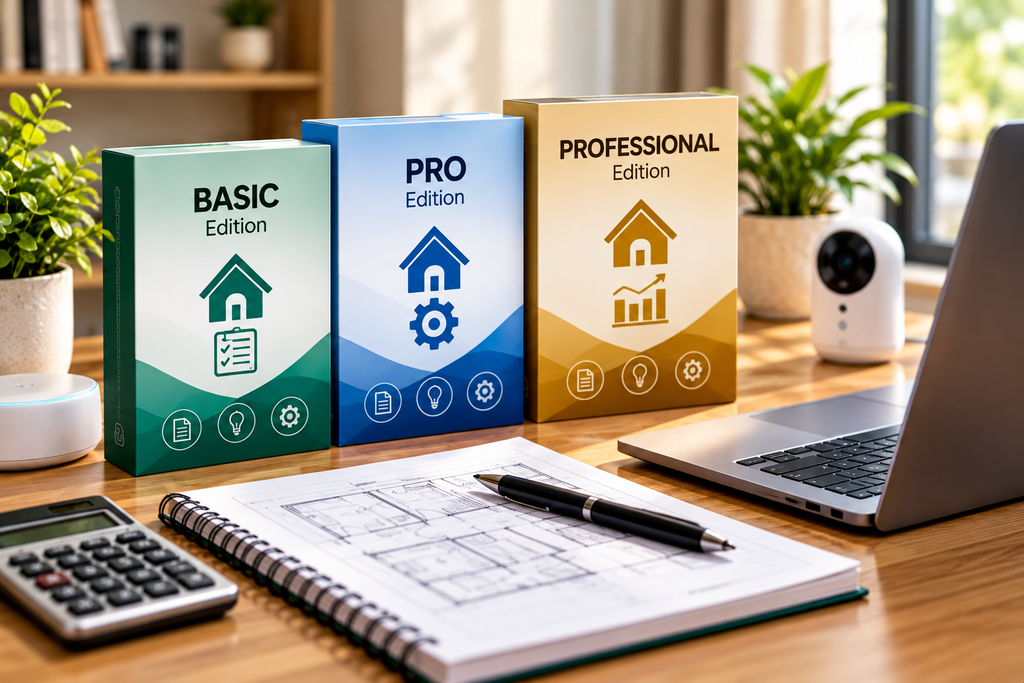
Our Home Upgrade Planning Toolkit helps you organize improvement ideas, prioritize projects and plan budgets before making purchases.
Whether you’re introducing affordable storage solutions or planning larger home improvements, a structured approach can help you make more informed decisions.
Frequently Asked Questions
What is the best way to organize a small kitchen?
Start by decluttering unnecessary items, then use vertical storage, drawer dividers, pull-out organizers and stackable containers to maximize available space.
How can I organize my kitchen without buying new cabinets?
Use existing cabinet space more efficiently with shelf risers, adjustable dividers, door-mounted hooks and suitable storage bins.
What are the most affordable kitchen organization ideas?
Drawer dividers, labeled containers, hooks, utensil holders and simple shelf organizers are generally accessible starting points.
How can smart technology improve kitchen organization?
Digital shopping lists, smart lighting and compatible connected appliances can help simplify everyday tasks and improve convenience.
How often should I declutter my kitchen?
A brief weekly tidy-up and a more thorough monthly review can help keep cabinets, drawers and pantry areas organized.
Final Thoughts
A clutter-free kitchen doesn’t require expensive renovations or complicated storage systems.
Small improvements such as installing drawer dividers, organizing pantry supplies and making better use of cabinet space can significantly improve daily convenience.
Start with the solutions that address your biggest challenges and build a kitchen organization system that works for your household.
Explore more ideas from Smart Home Finds Hub: